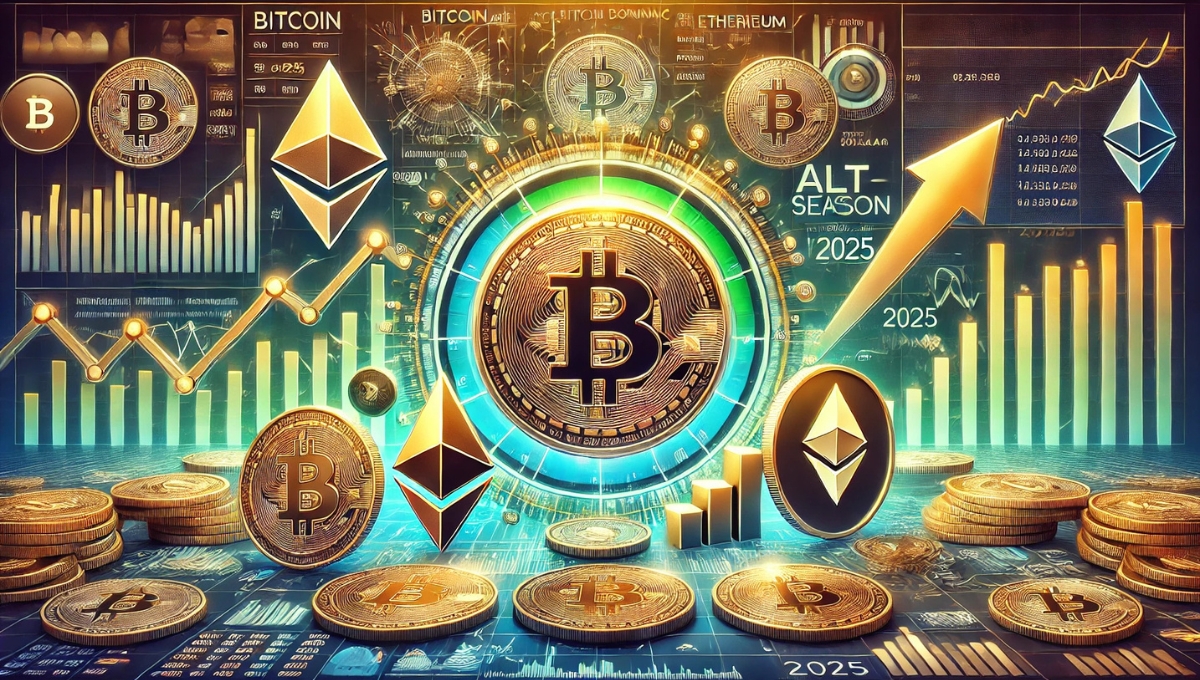
Bitcoin: Walking down the busy streets of Casablanca or Marrakesh, you can feel the pulse of a nation that is both deeply rooted in tradition and eager to embrace modern change. Amid the colorful markets, aromatic food stalls, and the sound of daily life, another conversation is quietly unfolding one about money, but not the kind you hold in your hands. Instead, it’s about the mysterious world of Bitcoin and cryptocurrency, a world that Morocco officially shut its doors to back in 2017, but one that continues to thrive quietly in the shadows.
The 2017 Ban A Shock for Many
In November 2017, Morocco’s Ministry of Economy and Finance, Bank Al-Maghrib, and the Office des Changes made headlines by announcing that cryptocurrency transactions were officially illegal. The government’s reasoning seemed straightforward: digital currencies were unregulated, volatile, and often linked to dangerous activities like fraud, money laundering, and even terrorism financing.
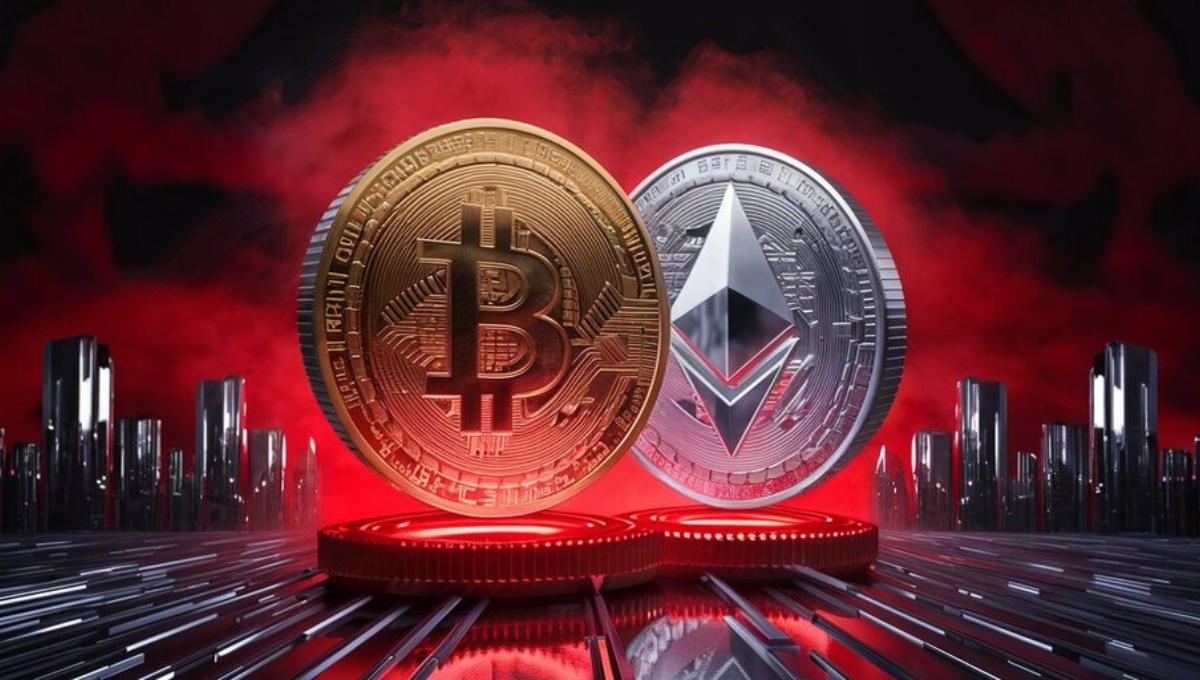
At that time, Bank Al-Maghrib’s governor made a strong statement, calling Bitcoin a speculative asset that could never be seen as “real money.” The Office des Changes also declared that anyone caught trading in cryptocurrencies would be breaking Moroccan law, a stern warning that carried the threat of penalties.
This stance made Morocco stand out. While many countries debated how to regulate cryptocurrencies, Morocco chose prohibition, reflecting its deep concerns about the potential risks and instability of digital money.
The Quiet Growth of Bitcoin
But here’s the paradox despite the ban, Bitcoin has not disappeared from Morocco. In fact, it continues to grow in popularity, particularly among young Moroccans who see it as more than just an investment. For them, it represents hope, opportunity, and freedom in a world where traditional financial systems often feel restrictive.
Cryptocurrency, in many ways, has found a home online, where tech-savvy Moroccans explore platforms, connect with global traders, and sometimes take risks that official law warns against. For these individuals, Bitcoin is not just about speculation; it is about being part of a global financial conversation that promises independence from traditional banks and government-controlled systems.
A Nation Caught Between Tradition and Innovation
This push and pull between prohibition and adoption reflect something much bigger happening in Morocco a clash between tradition and innovation. On one hand, the government worries about the very real dangers of unregulated currencies. On the other hand, its citizens, particularly the younger generation, are eager to explore the opportunities of blockchain technology and digital assets.
Morocco is not just facing a financial question; it is facing a cultural and generational one. The older guard seeks safety and order, while the younger generation seeks opportunity and change. The result is a paradox: Bitcoin remains banned, yet conversations around it grow louder each day.
Hopes for New Regulations
The story doesn’t end with prohibition. Reports suggest that Morocco is preparing a new law that could finally bring Bitcoin and other cryptocurrencies into the light. Instead of ignoring the growing digital economy, this law could introduce regulations to protect users while still allowing innovation to flourish.
If passed, this would mark a turning point. Rather than criminalizing young entrepreneurs and investors, Morocco could give them a framework to operate legally, ensuring both safety and opportunity. Such a move would not only empower citizens but also position Morocco as a forward-thinking country ready to embrace the digital economy of the future.
Why Moroccans Still Believe in Bitcoin
For many Moroccans, the attraction of Bitcoin is emotional as much as it is financial. It symbolizes independence in a world where opportunities sometimes feel limited. It represents the chance to connect with global markets, to escape inflation, and to imagine a future where money is not bound by borders or traditional systems.
This belief, combined with Morocco’s young, ambitious population, ensures that Bitcoin will continue to find a place, whether officially recognized or not. It’s a movement driven not by corporations or governments, but by ordinary people who dream of something bigger.
The Road Ahead
As Morocco stands at this crossroads, the future of Bitcoin in the country remains uncertain. Will the government continue to hold on to its strict ban, or will it take a bold step into regulation and embrace the future of digital finance?
One thing is clear: the paradox is unsustainable. A nation cannot ban something that continues to thrive underground forever. At some point, a balance must be struck between safety and innovation, between tradition and change. And when that balance is found, Morocco could emerge as a leader in the region, showing how to turn a ban into an opportunity.
Disclaimer: This article is for informational purposes only. It does not provide financial advice or encourage cryptocurrency trading. Readers are advised to conduct their own research and comply with local laws before engaging in any digital asset activities.
Also Read
BlackRock Strikes Gold $260 Million from Bitcoin and Ethereum ETFs
Cryptocurrency News Live: Bitcoin, Ethereum, and Market Updates
After a $1.7 Billion Wipeout, the Crypto Market Turns Back to Bitcoin